
Probiotics and mental health – what are psychobiotics?
In recent years, we have been hearing more and more about the connection between the gut and our well-being. A growing body of research shows that the microorganisms living in the digestive system can influence emotions, mood, and the ability to cope with stress. In this context, the concept of psychobiotics has emerged—these are unique probiotics that affect both the body and the mind.
Psychobiotics refer to specific strains of probiotic bacteria that influence not only the digestive system but also our mental well-being and brain function. Their effects are based on the gut–brain axis, a communication network between the gut microbiota and the nervous system. The gut contains a vast number of neurons and is responsible for producing many neurotransmitters, including serotonin, which plays an important role in regulating mood.
Imbalances in the gut microbiota can lead to issues such as low mood or increased sensitivity to stress. Psychobiotics help restore this balance, which may translate into improved mental well-being. As a result, the gut is no longer seen solely as part of the digestive system, but also as an important component of mental health care.
Although psychobiotics do not replace professional psychological or pharmacological treatment, their role as a form of natural support is worth emphasizing. They can act as an additional layer of protection against the effects of chronic stress and emotional disturbances.
Probiotics and mental health
Psychobiotics influence the production and metabolism of neurotransmitters that regulate our emotions and ability to cope with stress. Studies show that strains such as Lactobacillus and Bifidobacterium can support the synthesis of serotonin, often referred to as the “happiness hormone.” As a result, individuals taking psychobiotics may experience improvements in mood and emotional stability.
It is estimated that up to ninety percent of serotonin—the substance responsible for regulating mood—is produced in the digestive system. Similarly, the gut influences the production of dopamine and other compounds responsible for motivation and the experience of pleasure. For this reason, researchers increasingly suggest that maintaining a balanced gut microbiota may be just as important for mental health as a proper diet or physical activity.
Some microorganisms also affect the metabolism of gamma-aminobutyric acid (GABA), which plays an inhibitory role in the brain, helping to reduce tension and promote relaxation. Additionally, it has been shown that supplementation with psychobiotics may influence cortisol levels—the stress hormone—by lowering its concentration in the blood.
All of this contributes to the growing popularity of the term “psychobiotics.” It highlights the unique effects of selected probiotic strains that may support mental health and complement traditional treatment approaches.
Probiotics in coping with stress
Modern lifestyles often promote chronic stress, which negatively affects both mental health and immunity. Psychobiotics may act as a natural shield, helping to reduce the effects of tension and supporting the body in adapting more effectively to challenging conditions. Regular intake of appropriate bacterial strains helps maintain hormonal balance and supports the stability of the gut–brain axis.
Clinical studies have shown that individuals using psychobiotics more often report improved sleep quality and reduced symptoms of anxiety. Better sleep and a calmer mind form the foundation of mental health, and psychobiotics can meaningfully support these processes. It is also worth noting the link between immunity and mental well-being. A balanced gut microbiota reduces inflammation in the body, which has a positive effect on overall well-being. As a result, psychobiotics work on multiple levels, supporting both the body and the mind.
What does this mean in practice? People who incorporate psychobiotics into their diet often notice that they cope better with everyday challenges. For example, in stressful situations at work, they may feel less tension and recover their sense of calm more quickly. Psychobiotics may also support concentration and memory. When stress disrupts mental clarity, maintaining a healthy microbiota can help restore focus and improve decision-making.
Applications and future of psychobiotics
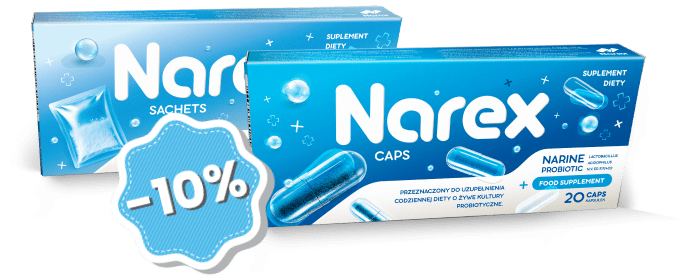
Psychobiotics are most commonly available in the form of specialized dietary supplements containing well-researched bacterial strains, such as Lactobacillus acidophilus Narine. They are found in pharmaceutical preparations and probiotic products manufactured under controlled laboratory conditions, ensuring safety and consistency. These forms allow for the precise delivery of beneficial bacteria that can effectively support the body.
Scientists are actively studying which specific psychobiotic strains are most effective in supporting the treatment of various disorders. The results of this research are opening the door to new therapeutic approaches in which natural bacteria may become part of comprehensive psychiatric care. For those interested in supporting their mental well-being, psychobiotics already represent a valuable option. While they are not a cure in the strict sense, they can help improve emotional balance and overall well-being. This represents a simple yet promising step toward a better understanding of the relationship between the gut and the mind.