
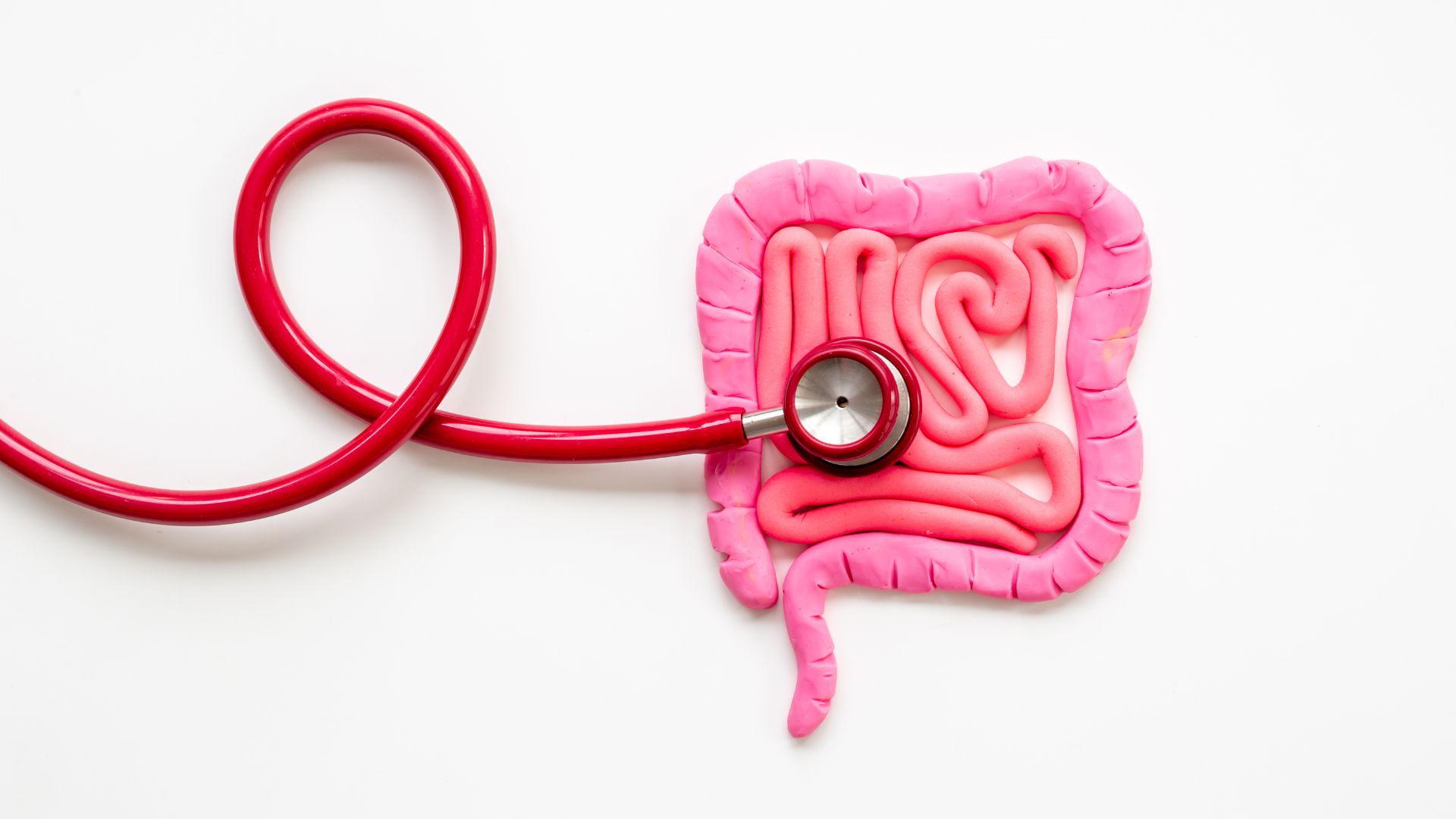
How to support your gut on a daily basis?
The gut does more than digest food. It is also a place of intense communication between the immune, hormonal, and nervous systems. The gut microbiome influences energy levels, mood, immunity, and sleep quality. Gut health can be effectively supported through simple daily habits that do not require a complete lifestyle overhaul.
The digestive tract is one of the most complex systems in the human body. It is responsible not only for digestion and nutrient absorption, but also for active protection against microorganisms, mood regulation, and maintaining metabolic balance. Inside it, there are trillions of microorganisms that form the gut microbiome, a unique ecosystem that lives in symbiosis with humans.
An increasing number of studies indicate that the condition of the gut affects the entire body, from brain function to skin health. Dysbiosis, meaning a disruption of microbiota balance, can lead to chronic inflammation, digestive problems, low mood, and reduced immunity. On the other hand, supporting the microbiome through simple everyday actions can be an effective preventive tool.
How to support your gut on a daily basis?
Eating until you feel moderately full supports glycemic control, helps prevent overeating, and reduces the risk of reflux. It is also a way to build mindfulness and improve your relationship with food. Eating more slowly and chewing each bite thoroughly reduces the burden on the digestive system, improves nutrient absorption, and helps you feel full sooner, which lowers the risk of overeating.
Keeping a consistent eating rhythm, for example by using a 12-hour eating window, allows the gut to regenerate at night. Limiting meals to a set time frame (for example, from 8:00 to 20:00) supports the circadian rhythm, reduces inflammation, and improves metabolism. It is worth keeping meals regular and avoiding late-evening snacking.
Daily movement and recovery
A short walk after a meal is a simple way to stimulate intestinal motility and improve digestive comfort. Even 10 to 15 minutes of gentle walking can reduce the feeling of heaviness, stabilize blood sugar levels, and support metabolism. Movement after eating also supports the lymphatic system, which helps remove toxins from the body.
Sleep is just as important. Regular, deep rest is a time of renewal for both the digestive and immune systems. Falling asleep before 23:00 supports circadian synchronization, makes digestion easier, and helps maintain a stable appetite. Good sleep hygiene, meaning not eating dinner too late, keeping consistent bedtimes, and having calm evenings, supports both the microbiome and overall immunity.
Supporting the microbiome through diet
Pickled foods, kefir, natural yogurt, and kombucha are fermented products that support the microbiome in a natural way. Regular consumption increases the diversity of gut bacteria, strengthens the intestinal barrier, and supports immunity. Two to three servings per week are enough to notice a beneficial effect.
Including vegetables and fruit in your diet every day provides fiber and bioactive compounds that serve as food for beneficial bacteria. Plant diversity supports better gut function, reduces oxidative stress, and helps anti-inflammatory processes. Ideally, your plate should include vegetables of different colors. The greater the variety, the better the support for your gut microflora.
Conclusion
A well-supported gut is the result of daily care. Even a single healthy habit, kept consistently, can meaningfully improve digestion, well-being, and immunity. The most important thing is to start with simple steps and act systematically.