How to Naturally Supplement Probiotic Bacteria
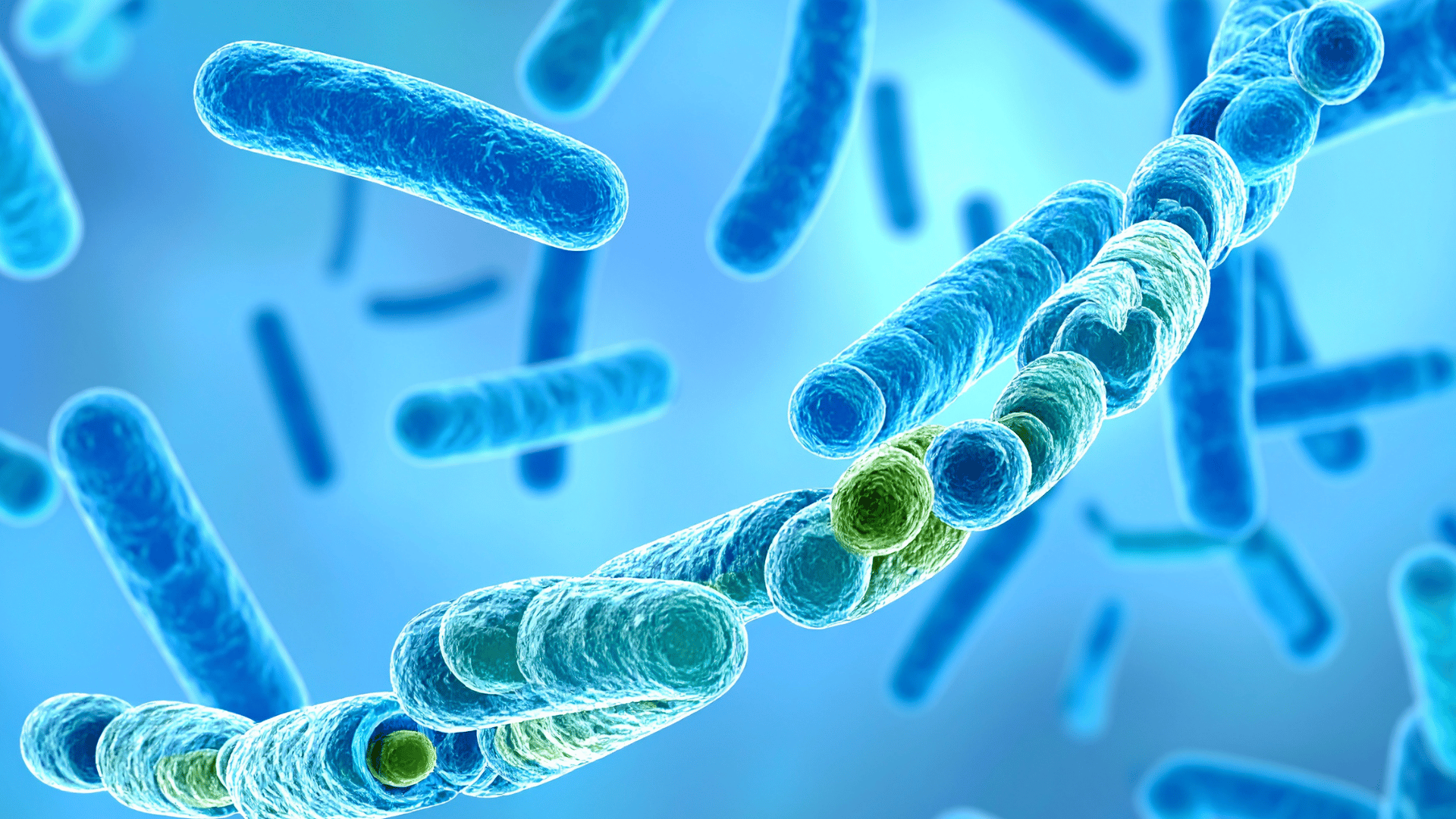
Gut microbiota plays an essential role in digestion, nutrient absorption, and protection against pathogenic microbes. A significant part of this ecosystem consists of probiotic bacteria, live microorganisms which, when consumed in appropriate amounts, support the microbial balance of the intestines and help maintain overall health.
The most natural way to supplement probiotic bacteria is through a well-designed diet rich in fermented products. Sauerkraut, fermented cucumbers, beets, and carrots contain strains of lactic acid bacteria such as Lactobacillus and Bifidobacterium, which support digestive processes, exhibit anti-inflammatory properties, and help protect the intestinal mucosa. Fermented dairy products such as natural yogurt, kefir, and buttermilk are also valuable sources of Lactobacillus acidophilus, L. casei, and Bifidobacterium bifidum. In Polish cuisine, beetroot sourdough juice is also regaining popularity, providing not only lactic acid bacteria but also beneficial antioxidants.
How to Naturally Supplement Probiotic Bacteria
Natural supplementation of probiotic bacteria relies primarily on consistency and the conscious combination of various microbial sources with a diet that supports their growth. This means including fermented foods in daily meals and consuming fiber-rich foods, while, when necessary, complementing them with a preparation containing a precisely described and clinically studied bacterial strain. Such an approach not only delivers live microbial cultures to the body but also creates favorable conditions for their survival and multiplication in the intestines. Supporting the microbiome naturally is therefore not a one-time intervention but a long-term strategy that combines diet, lifestyle, and rational supplementation tailored to the body’s current needs.
Supplements vs. Natural Products
It is important to emphasize that although fermented foods are sources of bacteria with probiotic potential, they cannot be classified as probiotics in the strict scientific sense. For a product to be labeled a probiotic, it must contain a precisely identified and clinically studied bacterial strain in a defined number of live cells, with documented health benefits for humans. In fermented vegetables, kefirs, or sourdoughs, the number and composition of microorganisms vary depending on fermentation temperature, raw materials used, and storage conditions. Therefore, despite their nutritional value, they cannot be equated with pharmaceutical or supplement-grade probiotics.
Prebiotics in the Diet
The presence of bacteria in the diet alone is not sufficient. For probiotics to function effectively, they require nourishment in the form of prebiotics, compounds that are not digested in the upper gastrointestinal tract but serve as food for intestinal microorganisms. Sources include vegetables such as onions, garlic, leeks, asparagus, as well as bananas, whole-grain products, chicory, Jerusalem artichoke, and flaxseed. Including these components in the diet allows probiotic bacteria to colonize the intestines more effectively. The combination of probiotics and prebiotics forms a synbiotic, a formulation with particularly beneficial effects on the gut microflora.
Probiotic Supplements
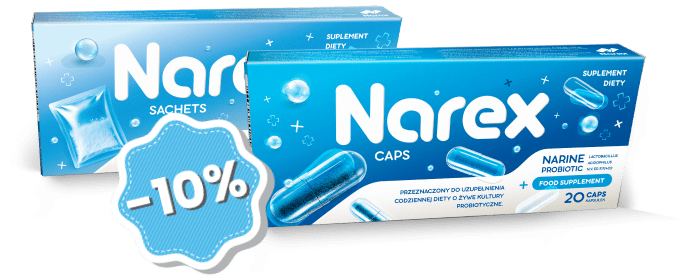
Although a well-balanced diet remains the best method for supporting gut microbiota, there are situations in which probiotic supplementation is advisable. These include periods of antibiotic therapy, recovery, digestive disturbances, reduced immunity, excessive stress, or travel involving changes in climate and diet. In such cases, preparations containing live bacterial cultures, for example Lactobacillus acidophilus n.v. Er 317/402 Narine, may effectively complement the diet and help restore intestinal balance. This strain is known for its high resistance to gastric acid and its ability to colonize the intestines persistently, which makes it one of the more thoroughly studied and stable probiotic strains.
The effectiveness of probiotic bacteria depends on multiple factors. Excessive consumption of simple sugars, preservatives, and alcohol may weaken their activity, so limiting these products is advisable. Conversely, dietary fiber, omega-3 fatty acids, and natural antioxidants promote the growth of beneficial microorganisms. When choosing supplements, attention should be paid to the content of live cultures expressed as CFU, the strain’s resistance to gastric acid, and storage conditions, ideally in a cool environment below eight degrees Celsius.
In summary, natural probiotic supplementation begins with everyday dietary choices. Fermented foods, fermented dairy products, and whole-grain foods form the foundation of a microbiome-supportive diet. When additional support is required, selecting a probiotic with documented properties is recommended. Combining a balanced diet with appropriate supplementation is an effective strategy for strengthening immunity, improving digestion, and maintaining intestinal balance, which underpins the health of the entire body.