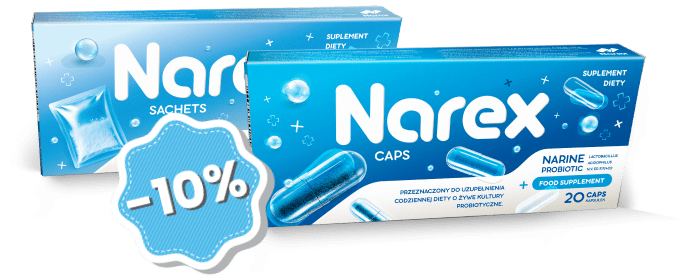
The Use of Narine Lactic Acid Bacteria in General Therapy
It is widely recognized that maintaining health, work capacity, and active creative longevity is directly dependent on a person’s lifestyle. This concept includes such factors as physical activity, the absence of harmful habits, and the nature of one’s diet.
Our diet should be rational, which means it should be complete, balanced, and fully meet the body’s physiological needs.
These needs depend on sex, age, and the specifics of a person’s professional activity. In other words, our diet should contain the necessary amounts of the main food components such as proteins, fats, carbohydrates, minerals, and vitamins, but this alone is not enough. It is also necessary to maintain the right proportions between nutrients and the proper balance of individual elements within food groups.
Fermented milk beverages have a clearly positive effect on the human body. These are products made from fermented milk. Since ancient times, people have known about the refreshing, thirst-quenching, healing, toning, and mildly stimulating properties of fermented milk. The oldest beverages in this group are kefir and kumis, while the youngest is acidophilus milk.
Among fermented milk beverages, the product “Narine,” developed and proposed for practical use, shows the most vivid and pronounced preventive and therapeutic effect. Its advantage lies in the simplicity of home preparation, good tolerance, the possibility of including it in the daily diet on a permanent basis, and its low cost. The last factor is especially important in unstable times.
The fermented milk drink “Narine” is prepared by fermenting natural milk with a special strain of acidophilus bacteria. The dry starter “Narine” is a lyophilized culture of acidophilic milk bacteria (strain 317/402, copyright certificate No. 163573). Testing of “Narine” in leading clinics and institutes showed that it is an effective preventive and therapeutic product. “Narine” is recommended for use by the Institute of Nutrition of the Russian Academy of Medical Sciences.
Advantages of the Narine strain
How does this strain differ from other previously known strains?
- It has pronounced adhesive properties, a high survival rate, and remains in the intestine for a long time, up to two weeks.
- It shows high resistance to bile and acids, including at pH 2.0.
- It has high resistance to antibiotics.
- It demonstrates strong antibacterial, antibiotic-like, and antifungal activity.
- Clear inhibition zones are strongly expressed in test cultures, for example against Staph. aureus, Proteus, and E. coli.
- In microbiological testing at pH 3.0, the growth of Narine bacteria is very active compared with other probiotics.
When comparing the effect of colibacterin, bifidumbacterin, and bifikol, which are intended for the treatment of dysbacteriosis, with the effect of acidophilus bacteria on the same process, interesting data were obtained. Bacterial preparations need to be taken for at least 4 weeks. Prescribing medications for a longer period is difficult. First, these are medicinal products. Second, they are quite expensive. Third, clinical and bacteriological studies have shown that as early as 2 weeks after discontinuation of bacterial medications, the intestinal microflora returns to its original level, meaning dysbacteriosis remains the same as before treatment.
The fermented milk drink “Narine” can be included by the patient in the daily diet throughout life. This is understandable, because it is a natural product rather than a medicine. In addition, the cost of the dry starter needed to prepare the “Narine” drink is lower than the cost of bacterial preparations.
Mechanisms of the biological activity of Narine
Normalizer of intestinal microbial biocenosis. “Narine” normalizes the microbial biocenosis of the intestine, restores anaerobic flora such as bifidobacteria and lactobacilli in a short time, suppresses the growth of opportunistic and pathogenic flora, and increases the activity of normal Escherichia coli.
It has strong antibacterial, antibiotic-like, and antifungal activity. Due to the ability to produce lactic acid during fermentation, as well as to produce lectolin, lactocydin, and acidophilin, Lactobacillus “Narine” bacteria have high antibacterial activity. Experimental data have demonstrated their ability to inhibit the growth of putrefactive and pathogenic microorganisms such as Pseudomonas, E. coli, Kl. pneumoniae, Proteus mirabilis, S. enteritidis, S. gallinarum, S. cholerae suis, S. typhimurium, Shigella, Serratia marcescens, staphylococci, L-forms of streptococci, and Candida albicans. Having only weakly expressed antigenic properties, lactic acid bacteria are able to establish close contact with the intestinal mucosa and protect it from possible invasion by pathogenic flora.
Immunomodulator. Recent studies have demonstrated the ability of Narine to stimulate the production of alpha- and gamma-interferon and to increase the activity of natural killer cells. In vitro, interferon production under the influence of “Narine” was confirmed. “Narine” was added to blood and lymph cultures, and direct induction of interferon under its influence was observed.
It stimulates the synthesis of vitamins and lactic acid in the body.
It supports the absorption of calcium, phosphorus, vitamins, proteins, and carbohydrates.
It neutralizes toxic metabolic products. Lactic acid bacteria and the products of their жизнедеятельности neutralize toxic metabolic products such as indole and skatole and quickly remove them from the body.
Breast milk substitute. From the dry powder “Narine,” it is possible to obtain a lactic acid formula “Narine,” which can serve as a substitute for breast milk because it is an easily digestible product containing large amounts of vitamins, minerals, proteins, fats, and carbohydrates. In 1 liter of “Narine” lactic acid formula prepared from whole milk, there are from 30 g to 45 g of milk fat with a certain amount of lecithin, which has bactericidal properties, and from 27 g to 37 g of various proteins such as casein, albumin, and globulin. Milk proteins are rich in essential amino acids, including lysine and methionine. A valuable physiological property of methionine is that it supports the neutralization and removal of pyridine and other cyclic compounds from the body. “Narine” is rich in B vitamins and aromatic substances, which makes it a biologically complete food product for children and adults.
Lactic acid bacteria are characterized by resistance to antibiotics and other chemotherapeutic agents, as well as high survival in the gastrointestinal tract.
Indications for the use of “Narine”
The dietary supplement “Narine” and the fermented milk product “Narine” prepared on its basis are recommended:
- for children from infancy in liquid form as a complementary food;
- for intestinal infections such as colibacillosis, salmonellosis, dysentery, klebsiellosis, yersiniosis, staphylococcal infections, and others;
- for various forms of dysbacteriosis;
- during and after antibiotic use;
- for cleansing the body of poisons and toxins;
- for premature aging and general discomfort after prolonged stressful situations;
- for normalization of bowel function such as constipation and diarrhea;
- as an immune-stimulating agent in viral and somatic diseases;
- in the treatment of the effects of radiation damage, heavy metal poisoning, and industrial toxins;
- in pathologies associated with Helicobacter pylori, including chronic type B gastritis and peptic ulcer disease;
- for liver pathologies;
- for chronic pancreatitis;
- for gastroesophageal reflux disease;
- for allergies;
- in the treatment of gynecological diseases;
- for the prevention of nipple cracks and stomatitis;
- for sanitizing the nasal cavity of newborns.
Recommendations
The probiotic “Narine” is produced in three forms: tablets, capsules, and powder, and is recommended according to indications as follows:
For patients aged 0 to 6 months, the product is recommended in powder form, 200 mg. The powder is convenient because it dissolves easily in liquids consumed by the infant such as water, juice, and beverages. Administration: for 2 weeks before meals, half a sachet twice daily. Dissolve in 30 to 40 mg of water. Repeat after 2 months.
For patients aged 6 months to 5 years, the product is recommended in powder form, 200 mg. The powder is convenient because it dissolves easily in liquids consumed by the child such as water, juice, and purees. Administration: for 2 weeks before meals, 1 sachet twice daily. Dissolve in 30 to 40 mg of water. Repeat after 2 months.
For patients aged 5 to 12 years, the product is recommended in the pharmaceutical form of 500 mg tablets or 180 mg capsules. Administration: for 2 weeks, 1 capsule or tablet twice daily, 15 to 20 minutes before meals.
For patients aged 12 years and older, the product is recommended in the pharmaceutical form of 500 mg tablets or 180 mg capsules. Administration: 1 capsule or tablet 3 times daily, 15 to 20 minutes before meals. Then for 2 weeks, 1 capsule or tablet daily on an empty stomach.
Side effects of “Narine”
No side effects have been recorded from the use of the probiotic “Narine.”
Contraindications to the use of “Narine”
There are no absolute contraindications.
Forms of “Narine”
Usually, “Narine” is used in liquid form, which has many inconveniences such as a short shelf life, lack of transportability, and a special method of preparation. The dry form of “Narine” therefore has substantial practical importance.
“Narine” in powder, tablet, and capsule form has many advantages compared with existing forms:
the shelf life of the product is 2 years;
a high degree of portability;
stability and protection from spoilage;
a higher concentration of lactic acid bacteria per unit volume in microbiological testing and therefore a relatively high therapeutic and preventive effect.
After dissolving “Narine” powder in sterile water or saline solution, or after preparing an ointment, it can be used for the treatment of local skin and mucosal lesions such as burns, purulent wounds, diseases of the mucous membrane of the nasopharynx and oral cavity, vaginitis, colitis, mastitis, and others. When used externally, “Narine” acts as a natural antibiotic.
Enteric-soluble capsules are also available.
Let us take a closer look at the indications for the use of “Narine” and the mechanism of its action on the human body in restoring normal intestinal microflora. Most likely, this is where its main action is connected. The intestinal microflora of a healthy person has a fairly specific quantitative and qualitative ratio of the microorganisms inhabiting it. This fact largely, if not almost entirely, determines a person’s state of health.
Prevention of dysbacteriosis is much more appropriate and easier than its treatment. Therefore, in all potentially dangerous situations, prevention of dysbacteriosis is recommended. One of the most dangerous and widespread situations is antibiotic therapy. The use of “Narine” in combination with antibacterial agents can effectively prevent disturbances of intestinal microflora. Antibacterial therapy is one of the main causes of intestinal dysbacteriosis. Suppression of intestinal microflora is an almost inevitable consequence of modern antibiotic therapy. The development of dysbacteriosis during antibiotic therapy is primarily associated with suppression of euflora growth by antibacterial agents and, against this background, increased growth of opportunistic microflora. A certain role is also played by the weakening of the body’s defense mechanisms arising during antibiotic therapy.
Numerous clinical studies have shown the high effectiveness of “Narine” in preventing the development of dysbacteriosis during antibiotic therapy. The use of this method is pathogenetically justified due to the high antagonistic activity of the preparation “Narine” against opportunistic intestinal microflora. In addition, the ability of “Narine” to increase both nonspecific and specific immune resistance of the body has been demonstrated.
Excess body weight and high cholesterol are now a serious problem for many people. Very often, these two issues go hand in hand.
Cholesterol is an organic compound that the body needs for proper functioning. Cholesterol is involved in the production of various hormones and plays an important role in the activity of the nervous and immune systems. Eighty percent of cholesterol is produced by the body itself, mainly by the liver, intestines, and adrenal glands, while the remaining 20 percent comes from food. Cholesterol circulating in the body is divided into two fractions:
high-density cholesterol, or “good” cholesterol;
low-density cholesterol, or “bad” cholesterol.
Numerous studies have found that when excess body weight accumulates, especially in the abdominal area, the amount of “good” cholesterol decreases and the amount of “bad” cholesterol increases. And “bad” cholesterol is the main risk factor for atherosclerosis.
Due to the high concentration of “bad” cholesterol, the cardiovascular system suffers first, but disturbances are also seen in the endocrine, immune, and digestive systems.
Prevention of coronary heart disease is one of the most urgent medical and social issues of our time. At the State Center for Preventive Medicine of the Ministry of Health of the Republic of Armenia, the effect of the preparation “Narine” on blood cholesterol levels was studied.
Effect of “Narine” on cholesterol levels in hypercholesterolemia
Clinical and experimental studies in recent years have shown that both in experiments on a rat model of hyperlipoproteinemia and in the intestines of patients with various forms of hyperlipoproteinemia, there are microecological disturbances in the intestine, dysbacteriosis with a deficiency of bifidobacteria and lactic acid bacilli, accompanied by disorders of lipid metabolism, especially cholesterol metabolism. On the other hand, in vitro study of the active range of lactic acid bacillus strains established their ability to degrade cholesterol. This ability directly correlated with strain activity. The inclusion of encapsulated “Narine” in the complex treatment of patients with hypercholesterolemia allowed us to speak of the enhanced effect of “Narine” in lowering cholesterol levels.
At the State Center for Preventive Medicine of the Ministry of Health of the Russian Federation, the effect of the fermented milk product “Narine” on serum cholesterol levels in hypercholesterolemia was studied. When this strain was used in a limited group of individuals, a positive effect was observed in 60% of cases. Thus, the final conclusion about the great importance of gastrointestinal microecology in lipid, including cholesterol, metabolism was confirmed.
Based on the above, we conducted a study in individuals with hypercholesterolemia to investigate the effect of Narine on serum cholesterol levels. The study included practically healthy individuals of both sexes aged 40 to 60 years with hypercholesterolemia and total cholesterol levels above 240 mg/dl. The average level was 268 ± 34 mg/dl. Individuals with cardiovascular and gastrointestinal pathology were excluded. Average body weight was 76.39 kg, and excess body weight was not a reason for exclusion from the study. All patients were advised to follow a low-cholesterol diet, 200 mg of cholesterol per day, and a low-fat diet, up to 25% of total caloric intake. Increased intake of coarse-fiber foods was recommended, and this was especially important because it played a significant role in creating a favorable environment for the multiplication of introduced microorganisms in the intestine. Two groups comparable by age and sex were formed. The control group, Group II, remained on diet alone, while the experimental group, Group I, additionally received “Narine,” 2 capsules daily in 3 doses, 20 minutes before meals, for 20 to 25 days. Serum cholesterol was determined by an enzymatic method on a Cen1n2pet-600 autoanalyzer before and after the preventive course of diet and the biologically active dietary supplement. Positive dynamics in serum cholesterol levels were demonstrated, more pronounced in Group I compared with Group II. Thus, in Group I the average level decreased in a statistically significant manner, p<0.05, from 265.7 ± 24.1 mg/dl to 242.5 ± 19.3 mg/dl, which corresponds to a reduction of 8.7%, while in Group II the decrease was statistically insignificant, p>0.05, from 271.6 ± 242.2 mg/dl to 258.9 ± 17.3 mg/dl, which corresponds to a reduction of 4.7%. We also attempted to assess the differences in relative values between the two groups by calculating the chi-square criterion. In Group I, a positive result, meaning a decrease in cholesterol level, occurred in 11 out of 12 individuals, while in Group II it occurred in 6 out of 12, chi-square = 5.07, p<0.05, and the differences were statistically significant.
Based on the data obtained, it can therefore be said that the cholesterol-lowering effect of the diet was enhanced through the multifactorial mechanism of action of “Narine.” Along with its direct ability to degrade cholesterol, the following are also important:
a positive effect on the metabolic functions of the liver. Thus, the use of representatives of normal intestinal microflora in the complex therapy of patients with various diseases, together with clinical improvement in the condition of patients and restoration of the microflora’s ability to degrade exogenous cholesterol and reduce nitrates, produced a positive direction in biochemical processes in which the participation of the liver is obvious and requires no proof;
participation in metabolism. Lactobacilli, as has recently been demonstrated, may be used in regulating other types of metabolic disorders, which are very often associated with disorders of lipid metabolism. Their use has been suggested in the prevention of oxaluria, gout, and urolithiasis;
an immunomodulatory effect. The beneficial influence of human opportunistic microflora on indicators of cellular and humoral immunity is well known;
an anti-stress mechanism;
participation in the synthesis of B vitamins, whose role and significance in cholesterol metabolism are well established;
microbiological biotransformation with the synthesis of bioselenium, bioiodine, biozinc, and other catalysts of cholesterol transformation reactions;
an increase in the antioxidant potential of the body, associated in particular with improved functional condition of the intestine and, as a result, improved absorption of antioxidant vitamins A, E, and C, as well as the trace element selenium;
competitive inhibition of the growth of the most widespread opportunistic microflora today, including Helicobacter pylori, which actively participates in cholesterol metabolism in the intestine, chlamydia, which modifies phospholipids in the gastrointestinal tract, viruses affecting smooth muscle cells of arterial walls and increasing cholesterol deposition in them, and fungi synthesizing cholesterol oxidase;
improvement of the hormonal function of the gonads. Biologically active supplements containing lactic acid bacteria are widely used in the treatment of inflammatory diseases of the reproductive sphere, which have regionally linked blood and lymph circulation with the intestine, for example adnexitis in women and prostatitis in men.
This material was prepared on the basis of available source materials provided by Narex LLC (Armenia) and other publicly available scientific information. The content is for informational purposes only and does not constitute medical advice or therapeutic recommendations. Any decisions regarding the use of probiotics, including “Narine,” should be made in consultation with a qualified medical specialist.