How Do Fermented Foods Affect Gut Function?
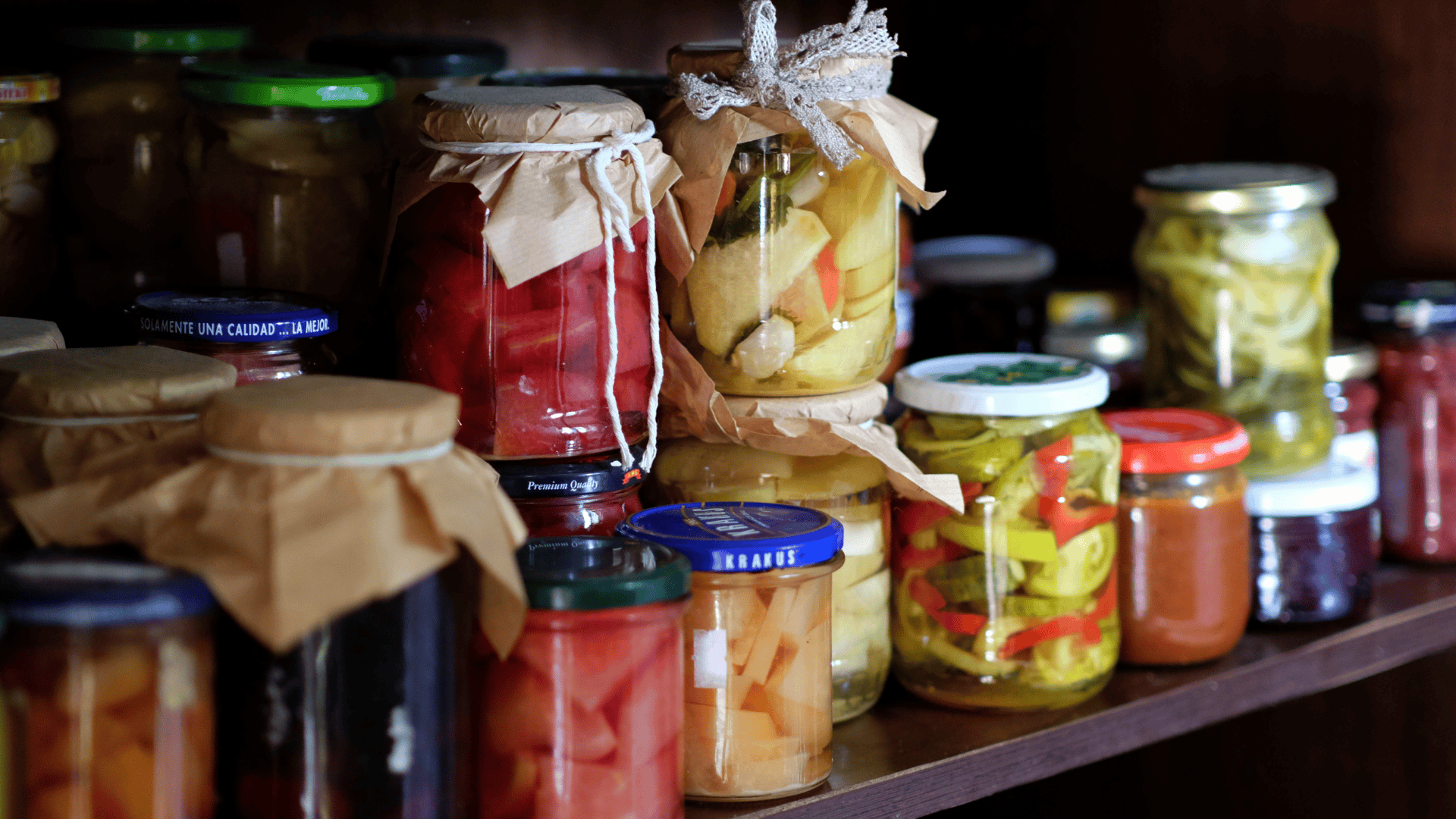
Yogurt, kefir, fermented vegetables, and other fermented foods have been part of the human diet for generations. They are created through the natural activity of microorganisms that transform food into a form more friendly to the gut. In recent years, probiotic supplements have also gained increasing popularity. They contain specific bacterial strains designed to support the microbiome in a predictable and controlled way. To make informed choices about what best serves the body, it is worth understanding in detail how both forms of supplementation work.
What Is Fermentation?
Fermentation is a natural process during which microorganisms break down components of food. As a result, fermented products contain substances that support digestion, nutrient absorption, and immune system function. Fermentation can also enrich food with vitamins, especially B‑group vitamins, as well as other active compounds that contribute to overall well‑being.
Many people notice that fermented foods improve digestive comfort after a relatively short time. This is due to the presence of natural compounds produced during fermentation that begin to act almost immediately after consumption. This is one of the greatest advantages of fermented foods: their effects do not depend on additional processes occurring in the body.
Each type of fermented product is created in a different environment and contains slightly different microorganisms. Kefir has a richer microbial composition than yogurt, kombucha also contains yeasts, and fermented vegetables are particularly effective in supporting the intestinal microbiota. Fermented foods create a diverse bacterial environment, which has a positive effect on the microbiome.
At the same time, it is important to remember that the viability of bacteria in fermented products depends on freshness and preparation methods. If a product has been pasteurized, stored for too long, or kept at an inappropriate temperature, the number of live microorganisms may be lower. Nevertheless, fermented foods still provide valuable compounds formed during the fermentation process.
How Do Fermented Foods Affect Gut Function?
Regular consumption of fermented foods has a positive impact on digestive system function. Many people observe more regular bowel movements, reduced bloating, gentler digestion, and greater comfort after meals. Fermented foods may also support immunity, as a large part of the immune system is located in the gut.
It is also worth noting that fermented foods are often better tolerated by people with sensitive digestive systems, because the fermentation process partially breaks down components that may be difficult to digest in non‑fermented products.
What Are Probiotic Supplements?
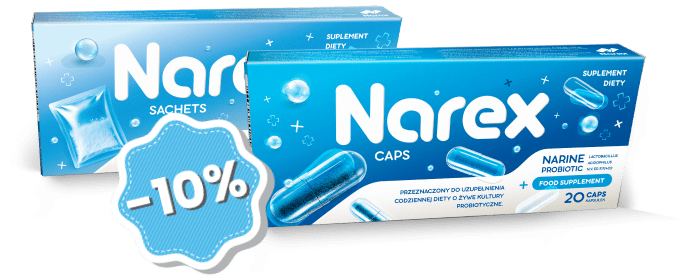
Probiotic supplements contain specific strains of microorganisms selected to support the body in particular situations. Each strain may serve a different function, such as supporting immunity, alleviating diarrhea, regulating bowel function, or aiding recovery after antibiotic therapy. Supplements are also formulated to protect bacteria from stomach acid so they can reach the intestines in an active state.
In terms of dosage, supplements are more predictable than fermented foods. Each capsule contains a defined number of microorganisms, making it easy to control the amount of bacteria consumed.
Why Can Supplements Work Differently Than Fermented Foods?
Fermented foods act broadly because they contain a natural mix of microorganisms and their active compounds formed during fermentation. Probiotic supplements act more precisely, as they are designed for specific purposes. This means that in certain situations a supplement may be more effective, especially when the body needs rapid support. Supplements are particularly helpful during periods of weakened immunity, antibiotic use, infections, and digestive disorders.
Can Fermented Foods Replace Supplements?
In many cases, fermented foods may be sufficient. Regular consumption of high‑quality yogurt, kefir, or fermented vegetables provides natural support and helps maintain good gut condition. However, not everyone tolerates the sour taste of fermented foods. People with gastric sensitivity or certain intestinal conditions may experience discomfort. In such cases, probiotic supplements may be a better option.
A probiotic supplement is worth choosing when:
- the body needs rapid support,
- antibiotic therapy is ongoing,
- diarrhea or constipation occurs,
- immunity is reduced,
- the digestive system is weakened by stress,
- the microbiome requires targeted restoration.
Supplements work in a predictable way, which is important in cases of more intense health issues.
Prebiotics as a Complementary Approach
Both fermented foods and probiotic supplements work better in the presence of prebiotics. Prebiotics are natural plant components, mainly soluble fiber, that serve as nourishment for gut microorganisms. An adequate amount of fiber in the diet enhances the effects of probiotics and helps maintain intestinal balance. Supplements often combine probiotics with prebiotics, creating so‑called synbiotics that provide both beneficial bacteria and their nourishment.
Combining Both Methods – The Most Beneficial Approach
The best results are achieved by combining fermented foods with probiotic supplements. Fermented foods support daily digestion and provide natural compounds formed during fermentation. Supplements support the body when stronger or more targeted action is needed. This combination works particularly well during the autumn and winter seasons, during recovery, periods of intense stress, or after antibiotic therapy.
Summary
Fermented foods and probiotic supplements both support gut health, but in different ways. Fermented foods work naturally, improving everyday digestive comfort and providing valuable compounds. Supplements offer stable and predictable effects, which is especially important in situations requiring rapid regeneration. Combining both approaches delivers the best results and helps maintain a stable, well‑functioning microbiome throughout the year.